The Digital Border is Here: How the EU’s EES Tracks Your Time in Spain.
The days of relying on faded passport stamps to prove when you entered Spain are over. On 10 April 2026, the European Union’s Entry/Exit System (EES) became fully operational at all Spanish airports, ports, and land borders . This digital system replaces manual passport stamping with biometric registration—and for Spanish residents, it has profound implications for how your time in the country is tracked.
What is the EES?:
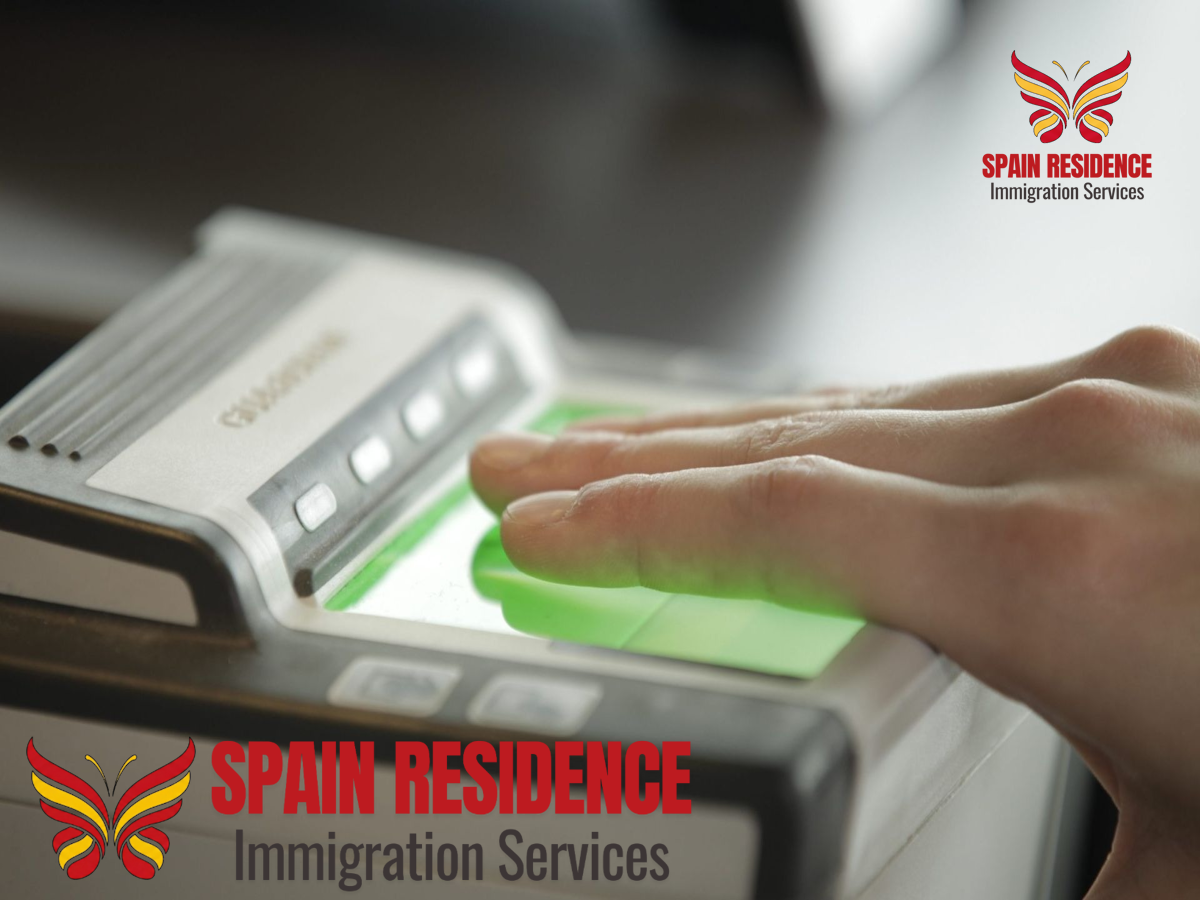
The EES is an automated IT system that electronically records every entry and exit of non-EU nationals traveling to the Schengen Area for short stays. When you cross an external Schengen border, the system now captures:
- Your passport details
- Biometric data (facial image and fingerprints)
- The exact date, time, and place of your entry or exit
How It Tracks Residents:
For Spanish residents—particularly those holding temporary residence permits or applying for citizenship—the EES represents a significant shift in enforcement capability.
The 90/180-Day Rule is Now Digitally Enforced:
The 90/180-day rule hasn’t changed: non-EU visitors can stay in the Schengen Area for up to 90 days within any rolling 180-day period. What has changed is enforcement.
Previously, border officials manually checked passport stamps to calculate stays—a time-consuming process that allowed many overstays to go undetected. Now, every entry and exit is tracked biometrically and flagged automatically.
Impact on Residence and Citizenship Applications:
For those applying for Spanish citizenship, the EES creates a new layer of scrutiny. Spanish nationality requires proving continuous legal residence for the required period. With the EES, authorities can now verify your travel history objectively through digital records rather than relying solely on the documentation you provide.
Key considerations:
- Margins for error are eliminated: Prolonged or frequent absences can now be detected automatically, even if your residence card remains valid.
- Continuous residence vs. legal residence: Having a valid residence permit is not enough. You must demonstrate that Spain has been your main place of residence during the evaluation period.
Extended absences can be fatal: Leaving Spain for more than three consecutive months may result in nationality refusal. Frequent departures or high total time outside Spain can also cause difficulties.
Who is Exempt?:
Not everyone is subject to EES registration. Valid TIE (Tarjeta de Identidad de Extranjero) holders are exempt entirely from EES processing—they are not treated as short-stay visitors, and the 90-day clock does not run against their authorised period of residence .
However, this exemption does not apply to holders of the old green registration certificate issued to British residents before Brexit. Current official guidance is unambiguous: the green certificate will not prevent EES registration at the border, and holders risk being flagged as overstayers even where underlying residence rights exist.
What This Means for You:
For Short-Stay Visitors
If you own property in Spain but do not hold formal residency, the EES now enforces the 90-day limit automatically. Each entry and exit is recorded, and the system calculates your remaining days in real time . Overstaying can result in :
- Fines of between €501 and €10,000
- Expulsion with a re-entry ban of up to five years
- Automatic denial of entry on future visits
For Non-Lucrative and Non-Profit Residence Visa Holders
If you hold a Spain non-lucrative residence visa—also known as a non-working or non-profit residence permit—the EES has particular relevance. This non lucrative residence visa Spain is designed for non-EU citizens who can demonstrate financial independence without working in Spain . The non lucrative residence Spain route requires proof of sufficient funds (400% of IPREM, currently €28,800 per year for the main applicant) and private medical insurance .
For those on a spain non-lucrative residence visa, renewal now requires real and effective residence in Spain for more than 183 days in the natural year . The EES makes compliance with this requirement easier to verify—and harder to circumvent. Anyone applying for a residence permit Spain for non-EU citizens should be aware that their travel history will be digitally tracked, making absences immediately visible to authorities.
For Residents with a TIE
If you hold a valid TIE, carry it alongside your passport whenever you travel. Present it at the border to avoid being processed through the EES as a short-stay visitor. If you are planning to apply for Spanish citizenship, be mindful of your travel patterns. The EES gives authorities precise data on your absences, and prolonged time outside Spain may jeopardise your application.
A Note on Recent Extraordinary Regularisation
On 16 April 2026, Spain opened an extraordinary regularisation window under Royal Decree 316/2026 . This measure grants temporary residence to non-EU nationals who were already in Spain irregularly before 1 January 2026. The application deadline is 30 June 2026—just days away. Applicants must prove continuous presence in Spain for at least five months prior to application. For those navigating this pathway, understanding how the EES records your stay is essential .
The EES marks a new era of digital border management in Europe. For Spanish residents, it means greater transparency—and less room for error. Stay informed, stay compliant, and ensure your documentation is in order.
Residencies available in Spain:
- Digital-Nomad visa Spain (Remote worker in Spain)
- Non-Lucrative Visa Spain (Spanish visa non lucrative)
- Student-Visa Permit (Student-Visa & up-to 30 hours work per week)
- Self-Employed Visa Spain (Self employed expats in Spain)
- All Visa-Categories in Spain (SEE-ALL here; Arraigo, Special Cases, etc.)
Immigration procedures and immigration regulations change regularly, and it is crucial to stay updated with the most recent information from a reliable source. If you have any questions or concerns about your situation, we advise to consult an immigration authority or legal professional who specializes in immigration matters.
We offer Spanish Residence Services and can assist you with most Spanish legal processes.
Permanent residency is permitted after 5 years of Temporary Spanish Residency through Digital-Nomad, Non-Lucrative, Student-Visa or Self-Employed. This followed by 5 years of permanent residency in Spain and permits Spanish Citizenship applications to obtain a Spanish Passport.